
Learn the Tricks of How to Customize a Catering Menu for Any Event
Planning the perfect event often hinges on the menu, no matter if it’s a sophisticated wedding or a simple backyard gathering. Some people think picking a few crowd-pleasing dishes is all it takes, but that approach overlooks what actually makes guests feel welcome and remembered. Here’s what surprises most hosts: according to Boise State University, submitting detailed guest information and finalizing your menu selections in advance helps caterers ensure that everyone’s needs are covered, even complex dietary restrictions or late changes.
Quick Summary
| Key Point | Explanation |
|---|---|
| 1. Identify event requirements first | Understand the type, timing, and location of your event to tailor your catering menu effectively. |
| 2. Gather guest dietary information | Collect clear dietary needs from attendees to ensure everyone can enjoy the meal safely and inclusively. |
| 3. Develop a balanced preliminary menu | Create a diverse menu draft with options for various dietary restrictions that reflect the event’s tone. |
| 4. Collaborate closely with catering professionals | Engage in open discussions with caterers to refine your menu and incorporate their expertise, ensuring effective execution. |
| 5. Confirm details before the event | Conduct a final review of logistics, guest count, and menu to avoid last-minute issues and ensure smooth service. |
Step 1: Identify Your Event Requirements
Successful catering menu customization begins with a comprehensive understanding of your event’s unique requirements. This initial step is crucial for transforming your culinary vision into a memorable dining experience that perfectly matches the occasion. Before diving into menu selections, you need to gather critical information that will guide every subsequent decision.
Start by conducting a thorough assessment of your event’s specific characteristics. Consider the type of event you are hosting – whether it is a corporate conference, wedding celebration, graduation party, or intimate family gathering. Each event type demands a different approach to menu design and food presentation. For instance, a professional business lunch requires a different menu strategy compared to a casual backyard barbecue.
Next, carefully evaluate your guest list and demographic. How many people will attend? Are there specific dietary restrictions or preferences you need to accommodate? Some key considerations include vegetarian, vegan, gluten-free, kosher, or allergen-specific requirements. According to Boise State University’s catering guidelines, submitting detailed guest information well in advance helps caterers prepare appropriately and ensure every attendee can enjoy the meal.
Your event’s timing and location are equally important factors. Will the menu be served indoors or outdoors? Is it a breakfast, lunch, dinner, or all-day event? Consider the season, expected weather conditions, and available kitchen or serving facilities. A summer outdoor wedding might call for lighter, refreshing dishes, while a winter corporate event could benefit from heartier, warming options.
Finally, establish a clear budget for your catering needs. This financial framework will significantly influence your menu customization choices. Be realistic about your spending limits while also understanding that quality catering requires appropriate investment. Communicate your budget range transparently with your catering provider, allowing them to recommend creative solutions that balance cost-effectiveness with culinary excellence.
By meticulously identifying these event requirements, you create a solid foundation for crafting a truly personalized catering menu that will delight your guests and make your event unforgettable.
The table below provides a quick overview of each major step in the catering menu customization process, including key objectives and important considerations.
| Step | Objective | Key Considerations |
|---|---|---|
| Identify Event Requirements | Tailor menu to event type and logistics | Guest count, event type, timing, location, budget |
| Assess Dietary Preferences and Restrictions | Ensure inclusivity and safety | Collect thorough guest info, accommodate allergies/preferences |
| Create Preliminary Menu Draft | Develop a balanced, appealing menu | Variety, alignment with event tone, alternatives for restrictions |
| Collaborate with Catering Professionals | Refine menu and leverage expertise | Open discussion, incorporate suggestions, clarify logistics |
| Finalize Menu Selections | Confirm menu and logistics | Tasting session, final adjustments, detailed written contract |
| Review and Confirm Details Before Event | Prevent issues and ensure smooth execution | Final walkthrough, confirm logistics, last-minute verification |
Step 2: Assess Dietary Preferences and Restrictions
Navigating the complex landscape of dietary preferences and restrictions is a critical component of customizing catering menus that truly satisfy every guest. This step requires careful attention, empathy, and strategic planning to ensure all attendees feel valued and can enjoy the meal without concern.
Begin by creating a comprehensive communication strategy to gather detailed dietary information from your guests. Send out invitations or event registration forms that include a section specifically designed to collect dietary needs. Provide clear options for guests to indicate their restrictions, such as vegetarian, vegan, gluten-free, dairy-free, kosher, halal, or specific food allergies. Make this process simple and straightforward, encouraging honest and complete disclosure.
According to research in the International Journal of Environmental Research and Public Health, understanding dietary requirements is not just about accommodation but also about creating an inclusive and safe dining environment. This means going beyond simple checkbox options and demonstrating genuine care for individual nutritional needs.
Work closely with your catering provider to translate these dietary requirements into a flexible menu strategy. Request that they provide detailed ingredient lists and preparation methods for each dish. This transparency helps guests with severe allergies or strict dietary protocols feel confident about their food choices. Experienced caterers should be able to offer multiple alternative options that are not just technically compliant but genuinely delicious.
Consider creating a color-coded or clearly labeled system for identifying different dietary options during the event. Use small cards or menu markers that indicate which dishes meet specific dietary requirements. This approach helps guests quickly identify safe and suitable choices without feeling singled out or inconvenienced.
Remember that dietary needs are deeply personal. Some guests may have medical allergies, while others follow religious or ethical dietary practices. Approach each requirement with respect and normalize the process of accommodating diverse nutritional needs. Your goal is to create a dining experience where everyone feels comfortable, included, and able to enjoy the meal without anxiety or limitation.
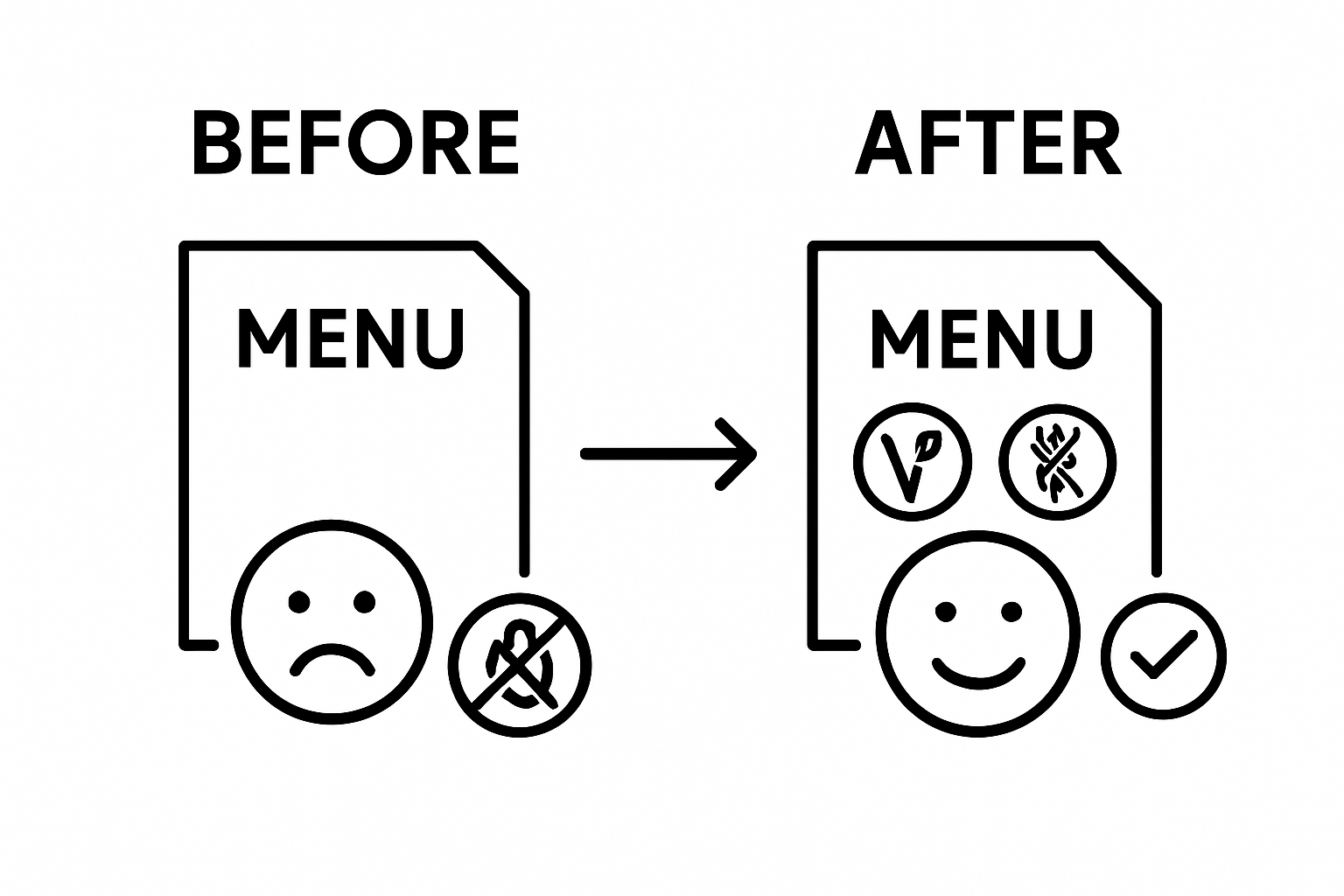
By meticulously assessing and addressing dietary preferences and restrictions, you demonstrate thoughtfulness and create an inclusive environment that makes every guest feel genuinely welcomed and cared for.
Step 3: Create a Preliminary Menu Draft
Crafting a preliminary menu draft is the creative heart of your catering customization process. This step transforms your event requirements and dietary assessments into a tangible culinary blueprint that will delight your guests. Think of this draft as your initial artistic rendering, a flexible framework that will be refined through collaboration with your catering provider.
Begin by establishing a balanced menu composition that offers variety and appeals to different palates. Your preliminary draft should include a strategic mix of appetizers, main courses, side dishes, and desserts that reflect the event’s tone and guest preferences. Consider the time of day, event style, and cultural context when selecting dishes. A corporate lunch requires a different approach compared to a celebratory wedding reception.
According to the NEW Women’s Business Center, effective menu planning involves carefully considering portion sizes and guest expectations. Start by selecting 2-3 options for each course that provide sufficient variety while maintaining a cohesive culinary theme. For example, if hosting a corporate event, you might draft a menu featuring a vegetarian pasta, grilled chicken, and a fish option to ensure broad appeal.
Integrate the dietary restrictions and preferences identified in your previous step directly into this draft. Ensure that each course includes alternatives that cater to different nutritional needs. This might mean creating gluten-free versions of popular dishes or developing vegetarian alternatives that are equally sophisticated and flavorful. Your goal is to make alternative options feel like intentional culinary choices rather than afterthoughts.
Consider the visual and textural balance of your menu. Mix hot and cold items, incorporate different cooking techniques, and think about how dishes will look when served together. Texture and color play significant roles in creating an appealing dining experience. A well-drafted menu should tell a story through its selections, reflecting the event’s character and creating anticipation among guests.
Reach out to your catering provider to review this preliminary draft. Share your vision, dietary requirements, and event specifics. Professional caterers can offer valuable insights, suggesting modifications that enhance flavor, presentation, and practicality. They might recommend seasonal ingredient substitutions or propose creative plating techniques that elevate your original concept.
Remember, a preliminary menu draft is a collaborative starting point. Stay open to professional suggestions while maintaining your core vision. The most successful catering menus emerge from a partnership between your specific needs and the caterer’s culinary expertise.
Step 4: Collaborate with Catering Professionals
Collaborating effectively with catering professionals transforms your preliminary menu draft into a refined, executable culinary plan. This step is about building a partnership that leverages professional expertise while maintaining your unique event vision. Think of your catering team as culinary collaborators who can elevate your initial concept through their specialized knowledge and creative insights.
Initiate this collaboration by scheduling a comprehensive consultation where you can discuss your preliminary menu draft in detail. Bring all relevant documentation including your event requirements, dietary assessments, and initial menu concepts. Be prepared to have an open, transparent conversation about your expectations, budget constraints, and specific vision for the event. Professional caterers appreciate clients who are clear, organized, and collaborative.
According to the CDC’s guidelines on collaboration, effective teamwork relies on clear communication and mutual understanding. During your consultation, encourage your catering professional to provide constructive feedback on your preliminary menu. They might suggest ingredient substitutions, recommend more cost-effective options, or propose creative presentation techniques that align with your event’s style.
Be receptive to professional recommendations while also maintaining your core vision. Experienced caterers bring valuable insights about seasonal availability, flavor combinations, and practical considerations like food preparation and transportation. They can help you refine portion sizes, suggest wine or beverage pairings, and ensure that your menu is not just delicious but also logistically feasible.
During this collaborative process, discuss food safety protocols and preparation methods. Ask about their ingredient sourcing, how they handle dietary restrictions, and their strategies for maintaining food quality during transportation and service. A reputable catering team will be transparent about their processes and happy to address any concerns you might have.
Document the collaborative discussions and emerging menu modifications. Request a detailed proposal that outlines the final menu, including pricing, ingredients, preparation methods, and any customizations. This written document serves as a contract and ensures both parties have a clear understanding of the expectations. If you need additional guidance on finalizing your menu, check out our free estimate service for professional insights.
Successful collaboration is about finding the perfect balance between your vision and professional expertise. By approaching this step with openness, respect, and clear communication, you’ll create a memorable dining experience that exceeds expectations.
Step 5: Finalize the Catering Menu Selections
Finalizing your catering menu selections represents the pivotal moment where collaborative planning transforms into a concrete culinary blueprint. This step requires precision, attention to detail, and a strategic approach to ensuring every aspect of your event’s dining experience meets your expectations.
Timing is critically important when finalizing menu selections. According to Boise State University’s catering guidelines, menu details should be confirmed well in advance of your event date. Professional caterers typically require a specific window for finalizing selections to guarantee ingredient procurement, staffing, and logistical preparation.
Review the proposed menu with meticulous care, examining each course for alignment with your original vision and the dietary requirements identified earlier. Confirm that alternative options for vegetarian, vegan, gluten-free, and other specialized dietary needs are not just present but genuinely appealing. Your goal is a menu that feels intentional and inclusive, where alternative dishes are culinary choices rather than afterthoughts.
During this finalization process, discuss and confirm critical logistical details. This includes service style (buffet, plated, family-style), timing of each course, required staff, equipment needs, and specific presentation preferences. These seemingly minor details can significantly impact the overall dining experience. Pay close attention to how dishes will be kept at appropriate temperatures, the flow of service, and any special equipment required for specific menu items.
Budget alignment is another crucial consideration. Carefully review the final pricing, ensuring it matches your initial discussions and remains within your established budget. Request a detailed breakdown of costs, including per-person pricing, any additional service fees, and potential surcharges for last-minute modifications. If you need more flexibility in your menu planning, explore our shop options for additional customization opportunities.
Before making a final commitment, request a tasting session if possible. This allows you to experience the actual flavor profiles, presentation, and quality of the proposed menu. During the tasting, critically evaluate portion sizes, temperature of the dishes, and overall culinary execution. This is your opportunity to make final adjustments and ensure the menu meets your exacting standards.
Once you are completely satisfied, request a final written contract that details every aspect of the menu, service, and associated costs. This document should serve as a comprehensive agreement that protects both your interests and those of the catering provider. By approaching menu finalization with thoroughness and strategic thinking, you’ll create a dining experience that delights your guests and reflects your event’s unique character.
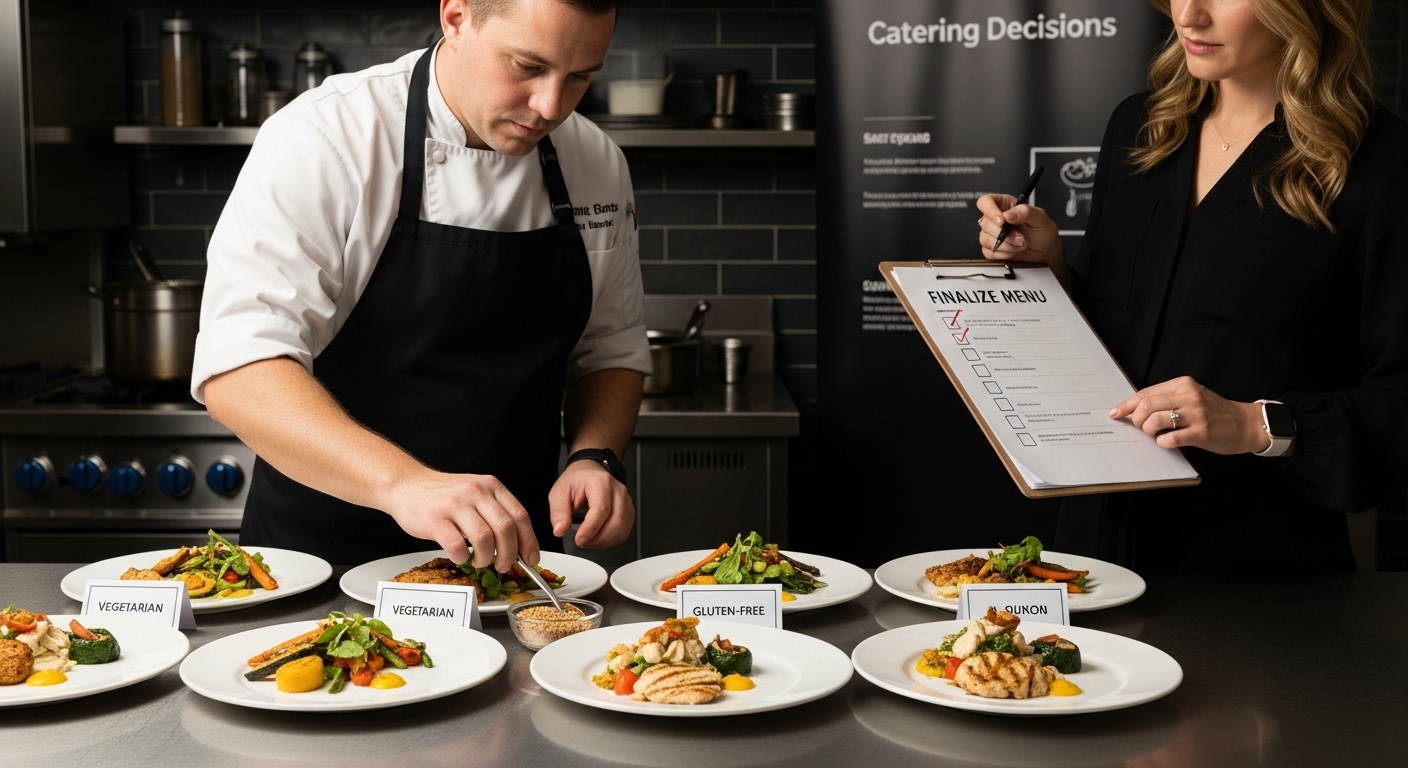
Step 6: Review and Confirm Details Before the Event
Reviewing and confirming details before your event is the critical final checkpoint that ensures your meticulously planned catering experience unfolds seamlessly. This step acts as your comprehensive quality control mechanism, allowing you to catch potential issues and make last-minute adjustments that can significantly impact the overall success of your event.
Begin by scheduling a final walkthrough consultation with your catering team approximately one week before the event date. During this meeting, systematically review every aspect of the planned menu and service. Confirm the exact timing of food preparation, delivery, setup, service style, and breakdown. Discuss the precise logistics, including arrival times for catering staff, equipment requirements, and specific setup instructions for your venue.
Pay exceptional attention to the guest count and dietary requirements. Verify that the final headcount matches your earlier discussions and that all previously identified dietary restrictions are accurately reflected in the prepared menu. Double-check that alternative meal options are prepared in sufficient quantities and meet the same quality standards as the primary menu selections.
Carefully review the venue logistics with your catering team. Discuss access points, kitchen or preparation areas, serving locations, and any potential challenges with the physical space. Confirm that the catering team has accurate directions, parking information, and contact details for venue management or event coordinators. If you need a free estimate or want to confirm last-minute details, reach out to your catering provider to ensure complete clarity.
Create a detailed timeline that breaks down every aspect of food service. This should include precise moments for appetizer service, main course timing, dessert presentation, and any special ceremonial elements like toasts or cake cutting that might impact food service. Synchronize this timeline with your event coordinator or venue manager to prevent any potential conflicts or logistical challenges.
Review the contract one final time, ensuring that all verbal agreements are accurately documented. Confirm pricing, payment terms, cancellation policies, and any additional fees. Have a transparent discussion about potential contingency plans for unexpected scenarios such as last-minute guest count changes or minor menu adjustments.
On the day before the event, conduct a final confirmation call. Verify all previously discussed details, reconfirm the guest count, and ensure that everyone involved understands their specific responsibilities.
Use this checklist table to review critical items before your catered event, ensuring nothing is overlooked during your final confirmation with the catering team.
| Review Item | Description | Status (Yes/No) |
|---|---|---|
| Guest Count Finalized | Confirm final number of attendees | |
| Dietary Restrictions Verified | Ensure all special dietary needs are covered | |
| Menu Reviewed & Approved | Double-check final menu and alternatives | |
| Venue Access & Setup | Clarify site access, kitchen needs, equipment | |
| Timeline Established | Set serving times for each course | |
| Contract/Agreement Confirmed | Review service, pricing, cancellation policy | |
| Emergency Contacts Shared | Exchange key contacts for day-of event |
Bring Your Dream Catering Menu to Life with Lily’s Wings
Is planning the perfect menu for your next event starting to feel overwhelming? Customizing every detail for different tastes and dietary needs can quickly turn into a logistical puzzle. Our step-by-step guide reveals how essential it is to understand guest demographics, coordinate dietary requirements, and collaborate with culinary professionals to create a flawless experience. But even with great advice, turning these ideas into a finished menu takes expertise and flexibility.
Looking for an affordable, delicious, and easy way to cater your central Minnesota Event? Lily’s Wings Buffet Style Catering is ready to step up to your event. Call us at (320) 492-4097 or fill out the form for a free catering estimate.
Frequently Asked Questions
How can I identify the specific requirements for my event’s catering menu?
Start by assessing the type of event you are hosting, the guest list and demographic, event timing and location, and your budget. Understanding these factors helps tailor the menu to fit the occasion and guests’ needs.
What should I do to accommodate dietary restrictions when customizing a catering menu?
Create a communication strategy to gather relevant dietary information from guests. This can include vegetarian, vegan, gluten-free, and allergen-specific options. Collaborate with your catering provider to ensure these requirements are met with appealing alternatives.
How do I create a balanced preliminary menu draft?
Establish a variety of dishes that cater to different palates, including appetizers, main courses, sides, and desserts. Include options that reflect the event’s tone, and make sure alternatives for dietary restrictions are well-integrated into the menu.
What steps should I take to finalize my catering menu selections?
Review and confirm dietary requirements and logistical details, ensuring they align with your vision and budget. Discuss timing, service style, and conduct a tasting session if possible. Finalize a written contract detailing every aspect of the menu and service.
Recommended