

Not Sure Where to Start on Catering Your Wedding? We’ve Got You Covered!
Wedding catering can eat up a huge chunk of your celebration budget. Most couples spend 20 to 30 percent of their entire wedding fund just on food and drinks. The obvious move is to focus on the menu, right? Actually, the biggest wins come from the way you plan all the details before anyone lifts a fork.
Step 1: Determine the Catering Budget and Guest Count
Planning your wedding catering begins with two foundational elements: understanding your budget and accurately counting your guests. These critical components will drive every subsequent decision about your wedding menu and overall catering strategy. Your catering expenses typically represent 20-30% of your total wedding budget, so precision is key.
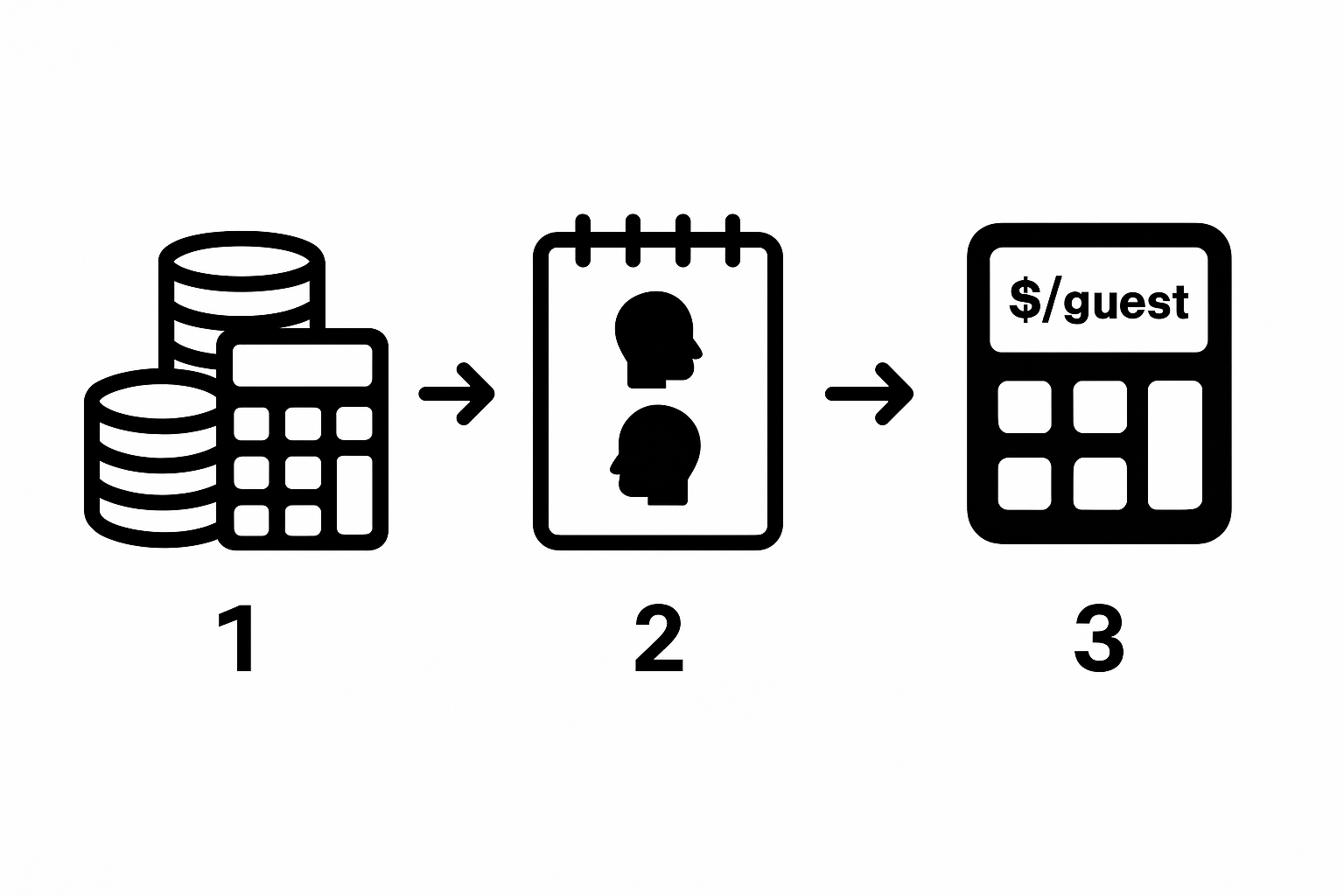
Start by having an honest conversation with your partner and any contributing family members about the total amount you can allocate to catering. Consider your overall wedding budget and how much flexibility you have for food and beverage services. Some couples prefer to allocate a specific dollar amount per guest, which helps create a clear financial framework. For instance, if you have a total catering budget of $5,000 and expect 100 guests, you know you’re working with approximately $50 per person.
Guest count determination requires meticulous planning and communication. Begin by creating a comprehensive guest list with your partner, categorizing potential attendees into must-invite, would-like-to-invite, and optional groups. Request RSVPs early and build in a small buffer of 5-10 additional guests to account for last-minute changes or unexpected additions. Your final guest count will directly impact your catering costs, so accuracy matters.
To streamline this process, consider using a digital wedding planning tool or spreadsheet to track guest lists and potential meal selections. Some couples find it helpful to color-code potential guests or create separate tabs for different categories like family, friends, and colleagues. This systematic approach helps prevent overlooking important guests and provides a clear visualization of your potential headcount.
When calculating your guest count, remember to include not just your invited guests, but also vendors who will require meals. Wedding photographers, musicians, and day-of coordinators typically expect a vendor meal, which should be factored into your final catering calculations. Get a free estimate from your chosen catering service to help refine these numbers and ensure you’re budgeting accurately.
By carefully determining your budget and guest count upfront, you’ll create a solid foundation for all subsequent catering decisions, preventing unexpected financial stress and ensuring a smooth planning experience.
Step 2: Research and Select Appropriate Catering Options
Researching and selecting the right catering options transforms your wedding meal from a simple necessity to a memorable experience. After establishing your budget and guest count, you’ll now explore the diverse landscape of catering possibilities that align with your wedding style and financial parameters.
Begin your research by soliciting recommendations from recently married friends, wedding planners, and venue coordinators. Personal experiences provide invaluable insights into a caterer’s reliability, flexibility, and overall service quality. Look for catering services with proven expertise in wedding events, not just general food service. Pay close attention to their portfolio, sample menus, and ability to accommodate special dietary needs like vegetarian, vegan, gluten-free, or cultural cuisine preferences.
Schedule initial consultations with at least three different catering services to compare offerings. During these meetings, discuss your wedding’s specific requirements, including venue logistics, menu customization, and service style. Some couples prefer buffet-style dining for more interactive experiences, while others opt for traditional plated service or trendy food station arrangements. Each style carries different pricing structures and guest experiences, so understanding these nuances helps make an informed decision.
Here is a table comparing common wedding catering service styles to help you choose the best fit for your event:
| Service Style | Description | Pricing Structure | Guest Experience |
|---|---|---|---|
| Plated Service | Guests are served at their seats by wait staff | Typically more costly | Formal, elegant, streamlined |
| Buffet | Guests serve themselves from central food tables | Generally mid-range | Casual, interactive, flexible |
| Food Stations | Multiple themed stations with chef interaction | Varies; often higher | Engaging, customizable |
| Family-Style | Large platters placed on each table for sharing | Similar to plated | Warm, communal, lively |
When evaluating potential caterers, request detailed proposals that break down all costs transparently. Critical elements to examine include per-person pricing, staffing fees, equipment rental, setup and cleanup charges, and potential overtime expenses. Some caterers offer comprehensive packages that include everything from china and glassware to service staff, while others charge these as separate line items. Ask about their cancellation policies, deposit requirements, and flexibility for last-minute guest count adjustments.
Consider the timing and style of your wedding when selecting menu options. An afternoon wedding might call for lighter fare, whereas an evening celebration typically demands more substantial meal selections. Discuss seasonal menu variations and local ingredient availability with your potential caterers. Many professional catering services can create custom menus that reflect your personal taste while maintaining culinary excellence.
Explore our pricing table to understand how different menu configurations and service styles might impact your overall catering budget. By conducting thorough research and asking detailed questions, you’ll find a catering partner who can transform your wedding meal into an unforgettable culinary experience that delights you and your guests.
Step 3: Finalize Menu Choices Based on Guest Preferences
Finalizing your wedding menu requires a delicate balance between personal taste and guest satisfaction. This crucial step transforms your catering selections from theoretical possibilities to concrete culinary experiences that will delight your wedding guests. The most successful wedding menus thoughtfully accommodate diverse dietary needs while reflecting the couple’s unique culinary personality.
Begin by conducting an informal survey among your invited guests to understand potential dietary restrictions and preferences. Create a simple digital form or include a section in your wedding invitation that allows guests to confidentially share their dietary requirements. Pay special attention to common dietary needs like vegetarian, vegan, gluten-free, and food allergies. Professional caterers appreciate advance notice about these specifications, enabling them to craft inclusive menu options that ensure every guest feels considered and comfortable.
Consider designing a menu that offers strategic variety. This might mean providing multiple protein options, including a vegetarian entree alongside traditional meat selections. Some couples opt for family-style dining or food stations that allow guests to customize their plates, which can be an excellent way to accommodate different tastes and dietary needs. Aim for a menu that offers at least two to three distinct main course choices to provide flexibility without overwhelming your catering team.
When selecting menu items, think beyond basic taste and consider the overall dining experience. The sequence and presentation of dishes matter as much as their flavor. Discuss with your caterer how different courses will flow, ensuring smooth transitions between appetizers, main courses, and desserts. Consider how each dish complements the others and creates a cohesive culinary narrative that reflects your wedding’s theme and personal style.
Timing and service style are equally important considerations. A daytime wedding might call for lighter, more refreshing menu options, while an evening celebration could support more elaborate, rich dishes. Discuss with your catering team how the menu can adapt to your specific wedding schedule and guest expectations. Some couples choose to incorporate meaningful cultural dishes or family recipes, adding a personal touch that makes the meal memorable.
Get a free estimate to understand how different menu configurations might impact your overall catering budget. By carefully balancing guest preferences, personal taste, and practical considerations, you’ll create a wedding menu that becomes a highlight of your celebration, ensuring guests leave not just satisfied, but truly impressed.

Step 4: Coordinate with Venue for Logistics and Setup
Coordinating venue logistics represents a critical junction in your wedding catering planning, where careful communication transforms theoretical menu selections into a seamless dining experience. Successful venue coordination requires meticulous attention to details that extend far beyond simple food placement. This step demands proactive communication between your catering team, venue management, and wedding coordinator to ensure every logistical element aligns perfectly.
Initiate your venue logistics planning with a comprehensive walkthrough, discussing specific setup requirements, kitchen access, equipment needs, and spatial constraints. Professional caterers will want to understand exact dimensions of preparation areas, available electrical outlets, refrigeration capabilities, and potential limitations in food transportation and setup. Some venues have strict guidelines about external catering services, so confirm their specific requirements well in advance. This might include necessary insurance documentation, health permits, or restrictions on equipment and preparation methods.
Establish a detailed timeline that outlines precise arrival times for catering staff, setup expectations, and meal service schedules. Your coordination should include minute-by-minute planning for food preparation, plating, service flow, and cleanup. Discuss potential challenges like limited kitchen space, temperature control for hot and cold dishes, and backup plans for unexpected scenarios. Some venues offer dedicated event managers who can help bridge communication between catering teams and venue staff, ensuring smooth execution.
Physical space configuration plays a crucial role in your catering logistics. Work closely with your venue and catering team to design an optimal layout that facilitates efficient food service while maintaining the aesthetic vision of your wedding.
Consider factors like buffet station placement, table arrangements, server pathways, and guest flow. Some couples prefer strategically positioned food stations that encourage guest interaction, while others might opt for more traditional seated service arrangements.
Technology and communication tools can significantly streamline venue coordination. Create shared digital documents or use event planning platforms that allow real-time updates and collaboration between all parties. Ensure that your catering team, venue manager, wedding coordinator, and key family members have clear contact information and understand communication protocols for the wedding day.
Get a free estimate to understand how comprehensive venue coordination can impact your overall catering experience. By investing time in thorough logistical planning, you’ll create a foundation for a smooth, stress-free wedding celebration where culinary excellence meets impeccable service.
Step 5: Confirm Details and Conduct a Final Review
The final review stage of wedding catering planning represents your last opportunity to ensure every detail aligns perfectly with your vision. This critical checkpoint transforms months of careful planning into a seamless culinary experience, requiring meticulous attention and proactive communication with all involved parties.
Schedule a comprehensive final meeting with your catering team approximately two weeks before the wedding date. During this consultation, review every aspect of your catering arrangement with surgical precision. Confirm the exact guest count, verify menu selections, discuss specific dietary accommodations, and review the precise timeline for food preparation, delivery, and service. This is the moment to address any lingering questions or potential concerns, ensuring that no detail falls through the cracks.
Create a comprehensive checklist that covers all critical catering elements. Your final review should include verification of precise details such as exact menu items, portion sizes, service style, staff uniforms, equipment requirements, setup and breakdown logistics, and any special presentation needs. Pay close attention to nuanced details like garnish selections, plate presentations, and specific serving temperatures for hot and cold dishes. Some couples find it helpful to create a visual mood board or detailed documentation that communicates their exact expectations to the catering team.
Financial and contractual elements demand equally careful scrutiny. Review the final invoice, confirming that all agreed-upon services are explicitly documented. Verify payment schedules, understand cancellation policies, and ensure you have written documentation of every agreed-upon service. Some caterers require final payment or a significant deposit at this stage, so be prepared with necessary financial arrangements. Discuss potential contingency plans for unexpected scenarios like sudden guest count changes or last-minute dietary requirement modifications.
Technology can be an invaluable ally in your final review process. Utilize shared digital documents, event planning platforms, or collaborative tools that allow real-time communication and documentation. Ensure that your catering team, wedding coordinator, and key family members have access to the most current information.
Use this checklist table to review the essential items to confirm during your final catering review:
| Item to Confirm | Details to Verify |
|---|---|
| Guest Count | Final numbers including vendors |
| Menu Selections | Exact dishes and dietary accommodations |
| Service Style and Timeline | Plating methods, meal schedule |
| Staffing and Equipment | Number of staff, rentals for service |
| Payment and Contracts | Final invoice, deposits, cancellation |
| Special Presentation Details | Plate presentation, garnishes, decor |
| Communication Protocol | Contact info, responsible point person |
Get a free estimate to understand how comprehensive final reviews can prevent potential misunderstandings and ensure a flawless catering experience. By investing time in this critical final review, you transform months of planning into a seamless, memorable culinary celebration that delights you and your guests.
Step 6: Execute Catering Services on the Wedding Day
The wedding day represents the culmination of months of meticulous planning, where every carefully selected catering detail transforms into a live culinary experience. Successful execution requires a combination of preparation, communication, and calm flexibility, turning your carefully crafted plans into a seamless celebration of food and love.
Arrive at the venue early to conduct a final walkthrough with your catering team, confirming that every logistical element is precisely in place. This includes verifying table settings, confirming food station locations, and ensuring that equipment like warming trays, beverage stations, and service areas are strategically positioned. Professional catering teams will have already completed most setup, but your presence provides an opportunity for last-minute adjustments and confirms that the vision you discussed during planning meetings is accurately realized.
Designate a point person responsible for managing catering-related communications throughout the wedding day. This individual, often a wedding coordinator or trusted family member, serves as the primary liaison between the catering team, venue staff, and wedding party. They will handle unexpected challenges, coordinate meal timing, and ensure that service flows smoothly. Provide this point person with detailed contact information for the catering manager and a comprehensive understanding of the day’s planned menu and service schedule.
Pay special attention to timing and service flow during the wedding reception. Most catering teams will have a precise schedule for appetizers, main courses, and dessert service, synchronized with wedding events like speeches and first dances. Communicate any potential schedule adjustments in advance, allowing the catering team to adapt their service accordingly. Some couples choose to have a brief pre-reception meeting with catering staff to review final timing details and address any last-minute considerations.
Maintain open and positive communication with the catering staff throughout the event. While they are professionals, a kind word or moment of appreciation can enhance their commitment to delivering an exceptional experience. Be prepared for potential minor adjustments, understanding that even the most meticulously planned events can have unexpected moments. Flexibility and grace are key to ensuring that any small challenges do not detract from the overall celebration.
Explore our wedding catering services to understand how professional support can transform your wedding day into a truly memorable culinary journey. By investing in comprehensive planning and maintaining clear communication, you’ll create a dining experience that becomes a cherished memory for you and your guests.
Eliminate Wedding Catering Stress with Lily’s Wings
You have just learned how complicated wedding catering can be. Navigating guest counts, balancing your budget, and making everyone happy with your menu can quickly become overwhelming. One missed detail or a last-minute change can cause unnecessary stress and disappointment on your special day. You need a catering partner who makes all these steps easier, lets you focus on enjoying the celebration, and ensures every guest leaves satisfied.
Let Lily’s Wings bring your wedding vision to life with our flexible BBQ catering solutions. We understand every detail, like customizing your menu to accommodate allergies, providing transparent pricing options, and guiding you through every step with a personal touch. Get your free BBQ Catering estimate today so you can secure stress-free catering and focus on your big moment. Visit Lily’s Wings now to get started by calling (320) 492-4097 before your preferred date is fully booked.