
Buffet catering has turned the typical event meal into an interactive experience where guests get to pick exactly what they want. Buffet-style dining increases guest satisfaction by giving people more menu variety and control over their meals, according to recent research. Most people think of buffets as just a cost-cutter for big groups, but this service actually delivers something far more valuable: a sense of freedom and creativity on every plate.
Quick Summary
| Takeaway | Explanation |
|---|---|
| Buffet catering offers diverse food options. | Guests can choose from multiple cuisines and dishes, accommodating various dietary preferences and needs. |
| Flexibility enhances guest dining experience. | Guests control portion sizes and make personalized meal selections, leading to greater satisfaction compared to plated meals. |
| Economic benefits reduce event costs. | Reduced staffing needs and minimized food waste make buffet catering a cost-effective solution for event planners. |
| Strategic layout optimizes food service flow. | Carefully designed stations improve guest access and minimize wait times, creating an efficient dining environment. |
| Inclusive options cater to dietary restrictions. | Specialized buffet styles ensure accessibility for guests with specific dietary preferences, such as vegetarian or gluten-free options. |
Defining Buffet Catering: What Is It?
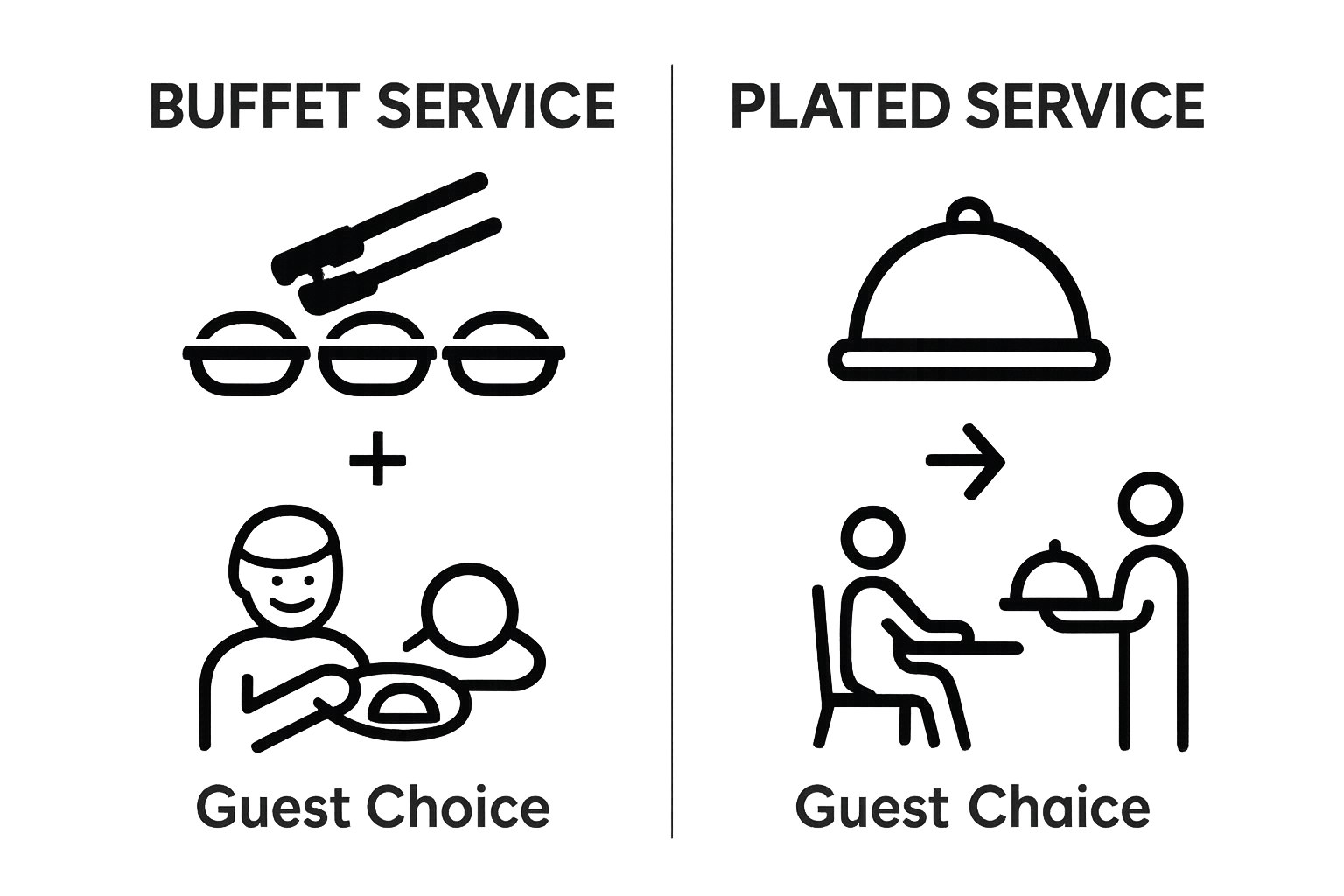
Buffet catering represents a flexible and dynamic food service approach that transforms traditional dining experiences for events and gatherings. Unlike plated meal services, buffet catering allows guests to personally select and serve their own food from a strategically arranged display of multiple dishes.
The Basic Concept of Buffet Service
At its core, buffet catering involves presenting a variety of food items on large tables or stations where guests can walk around, view different options, and choose exactly what they want. This style provides unparalleled flexibility compared to traditional seated meal services. Guests can control portion sizes, mix and match different cuisines, and customize their dining experience based on personal preferences.
The fundamental appeal of buffet catering lies in its democratic approach to dining. Whether hosting a corporate event, wedding reception, or community gathering, this service model ensures that diverse dietary needs and tastes can be accommodated simultaneously. According to research published in the journal Nutrients, buffet-style dining promotes social interaction and provides greater food variety compared to traditional serving methods.
Key Characteristics of Buffet Catering
Buffet catering distinguishes itself through several unique characteristics that make it attractive for various events:
- Variety: Multiple cuisine types and dishes available simultaneously
- Flexibility: Guests control their portion sizes and meal composition
- Cost-effectiveness: Reduces server staff requirements and minimizes food waste
- Interactive dining: Encourages social engagement and movement during meals
The strategic layout of buffet stations typically includes different sections for appetizers, main courses, side dishes, and desserts. Professional caterers carefully design these stations to create smooth traffic flow, ensuring guests can easily access and serve themselves without long waiting times.
Whether you are planning a small gathering or a large corporate event, understanding buffet catering provides insights into creating memorable dining experiences that cater to diverse preferences and dietary requirements.
The Importance of Buffet Catering in Events
Buffet catering has transformed event planning by offering unprecedented flexibility, cost-effectiveness, and guest satisfaction across various social and professional gatherings. Understanding its strategic importance helps event organizers create memorable dining experiences that cater to diverse attendee preferences.
Enhancing Guest Experience and Satisfaction
Buffet catering fundamentally reimagines dining dynamics by placing guests in control of their meal selection. This approach addresses individual dietary restrictions, preferences, and appetite levels more comprehensively than traditional plated services. Guests appreciate the ability to curate their plates, sample multiple cuisines, and revisit stations multiple times.
Research published in Foods demonstrates that buffet-style dining significantly improves guest satisfaction by providing greater menu variety and autonomy in portion selection. The interactive nature of buffets creates a more engaging dining environment where guests can explore different culinary options.
Economic and Operational Advantages
From an organizational perspective, buffet catering offers substantial economic benefits that make it attractive for event planners:
- Reduced Labor Costs: Fewer service staff required compared to plated meal services
- Minimized Food Waste: Guests select precise portions they want to consume
- Scalable Service: Easy adaptation to fluctuating guest numbers
- Efficient Space Utilization: Compact station layouts maximize venue potential
The operational efficiency of buffet catering extends beyond immediate cost savings. By allowing guests to serve themselves, events can maintain smooth flow and minimize service bottlenecks that often occur with traditional seated dining arrangements.
Versatility Across Event Types
Buffet catering’s adaptability makes it suitable for numerous event formats. Corporate conferences, wedding receptions, community celebrations, and academic gatherings can all benefit from this dynamic dining approach. The ability to offer multiple cuisine types, accommodate dietary restrictions, and create visually appealing food displays makes buffet catering a versatile solution for modern event planning.
Ultimately, buffet catering represents more than just a meal service strategy. It embodies a customer-centric approach that prioritizes guest experience, operational efficiency, and culinary creativity.
How Buffet Catering Works: Key Components
Buffet catering operates as a sophisticated food service system that transforms meal presentation from a traditional served experience into an interactive, self-guided culinary journey. Understanding its intricate components helps event planners and hosts design seamless dining experiences that prioritize guest satisfaction and operational efficiency.
Strategic Station Design and Layout
The foundation of successful buffet catering lies in meticulous station design. Professional caterers carefully engineer buffet layouts to create logical food progression, smooth guest traffic flow, and visually appealing presentation. Stations are typically arranged to guide guests through a culinary sequence, starting with appetizers, moving through main courses, and concluding with desserts.
Research from the National Institutes of Health highlights the critical importance of strategic buffet design, emphasizing how layout directly impacts food service efficiency and customer experience. Thoughtful station placement minimizes congestion, reduces wait times, and creates an intuitive dining environment.
Essential Buffet Infrastructure Components
A comprehensive buffet catering setup requires several key infrastructure elements:
- Serving Stations: Multiple tables or counters for different food categories
- Temperature Control Equipment: Warmers for hot dishes, chillers for cold items
- Protective Barriers: Sneeze guards and clear displays to maintain food hygiene
- Utensil and Plate Management: Strategically placed serving tools and dishware
- Signage and Labels: Clear identification of dishes and potential allergens
These components work together to create a functional, safe, and appealing buffet environment that meets both aesthetic and practical requirements.
The table below summarizes the essential components required for an effective buffet catering setup, as discussed in the article.
| Component | Purpose |
|---|---|
| Serving Stations | Display and organize different food categories |
| Temperature Control | Keep hot foods warm and cold foods chilled |
| Protective Barriers | Maintain hygiene and food safety (e.g., sneeze guards) |
| Utensil & Plate Management | Provide necessary tools for serving and dining |
| Signage & Labels | Identify dishes and highlight allergens |
| Visual Presentation | Enhance appeal and guide smooth guest flow |
Operational Workflow and Food Management
Behind the scenes, buffet catering involves complex operational choreography. Catering professionals continuously monitor food stations, ensuring timely replenishment, maintaining proper food temperatures, and managing presentation quality. This behind-the-scenes management is crucial for sustaining a smooth, uninterrupted dining experience.
The workflow includes constant assessment of guest flow, dish popularity, and real-time adjustments to maintain optimal service.
Skilled catering teams anticipate guest needs, rotate dishes efficiently, and preserve food quality throughout the event duration.
Buffet catering transforms meal service from a rigid, predetermined experience into a dynamic, personalized culinary adventure. By understanding its intricate components, event organizers can create memorable dining experiences that delight guests and streamline operational logistics.
Different Types of Buffet Catering Styles
Buffet catering encompasses a diverse range of service styles, each designed to meet specific event requirements, guest expectations, and culinary objectives. Understanding these variations allows event planners to select the most appropriate buffet approach for their unique occasion.
Traditional Buffet Service
The classic buffet style represents the foundational model of self-service dining. In this traditional format, multiple food stations are arranged in a linear or circular configuration, allowing guests to move freely and select items from a comprehensive spread of dishes. Typical traditional buffets feature clear divisions between appetizers, main courses, side dishes, and desserts, providing a structured yet flexible dining experience.
Traditional buffets are particularly effective for large gatherings where uniform service and predictable meal progression are essential. They offer maximum menu flexibility and enable guests to customize their plates according to personal preferences.
Specialized Buffet Configurations
Evolution in catering has introduced several specialized buffet styles that cater to specific event dynamics:
- Action Stations: Live cooking areas where chefs prepare dishes in real-time
- Theme Buffets: Cuisine-specific or culturally focused food presentations
- Modular Buffets: Compact, reconfigurable stations for versatile event spaces
- Interactive Buffets: Stations encouraging guest participation in food preparation
These innovative approaches transform buffet dining from a simple meal service into an engaging culinary experience. Action stations, for instance, provide entertainment value while ensuring food freshness, while theme buffets can create immersive dining environments that complement event aesthetics.
Specialized Dietary Consideration Buffets
Modern buffet catering increasingly emphasizes inclusivity through specialized dietary configurations. These buffet styles prioritize accommodating various nutritional needs and preferences:
- Vegetarian/Vegan Buffets: Dedicated stations for plant-based cuisine
- Gluten-Free Buffets: Separated areas ensuring cross-contamination prevention
- Allergen-Conscious Buffets: Comprehensive labeling and ingredient transparency
By offering targeted buffet styles that address specific dietary requirements, catering services can create more welcoming and accessible dining experiences. These approaches demonstrate sensitivity to individual nutritional needs while maintaining high culinary standards.
Below is a comparison table outlining different types of buffet catering styles mentioned in the article, highlighting their key features and use-cases for event planners.
| Buffet Style | Key Features | Ideal For |
|---|---|---|
| Traditional Buffet | Self-service; structured stations for each course | Large gatherings, weddings |
| Action Stations | Chefs prepare dishes live in front of guests | Interactive events, upscale |
| Theme Buffets | Cuisine- or culture-specific food presentations | Themed parties, cultural events |
| Modular Buffets | Movable, reconfigurable stations for any venue size | Space-limited events, flexibility |
| Interactive Buffets | Guest participation in food preparation | Engagement-focused events |
| Vegetarian/Vegan Buffets | Plant-based appetizer and main course selections | Dietary inclusion, health events |
| Gluten-Free Buffets | Segregated stations, allergen controls | Allergy-conscious gatherings |
The diversity of buffet catering styles reflects the dynamic nature of modern event dining.
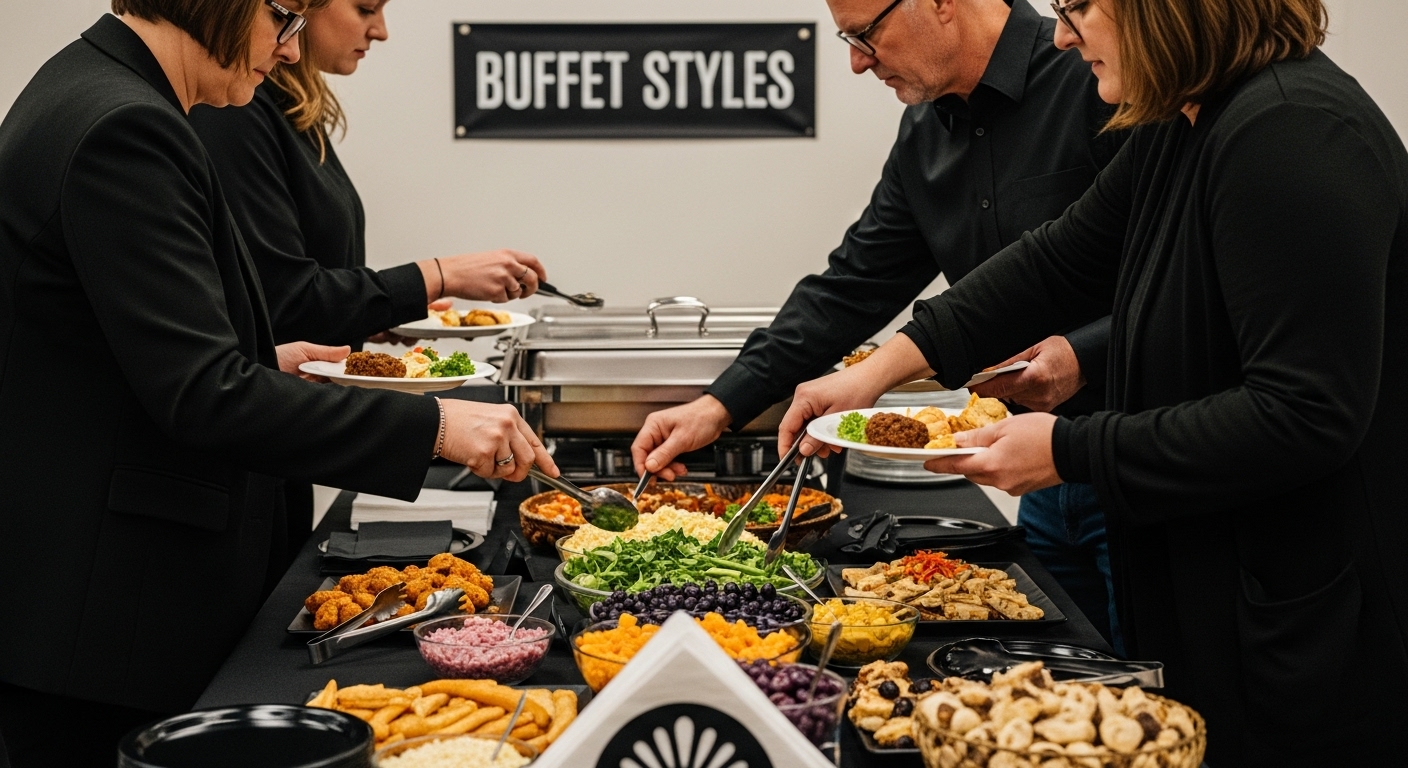 Each configuration offers unique advantages, enabling event planners to craft personalized, memorable culinary experiences that go beyond traditional meal service.
Buffet Catering in Local Contexts: Central Minnesota Insights
Buffet catering in central Minnesota represents a unique culinary landscape shaped by regional preferences, cultural traditions, and local agricultural strengths. Understanding the distinctive characteristics of buffet services in this region provides valuable insights into how local catering approaches meet community needs and celebrate regional culinary identity.
Regional Culinary Influences
Central Minnesota’s buffet catering scene is deeply influenced by its rich agricultural heritage and diverse demographic composition. The region’s strong farming background translates directly into buffet offerings that prioritize fresh, locally sourced ingredients. Midwestern culinary traditions emphasize hearty, comforting dishes that reflect the area’s agricultural roots, with an increasing focus on incorporating locally produced meats, vegetables, and dairy products.
Local buffet catering services often showcase regional specialties that resonate with community preferences. This might include classic Midwestern comfort foods like hot dishes, wild rice preparations, fresh corn and potato-based sides, and locally sourced meat options that highlight the region’s agricultural prowess.
Event and Gathering Preferences
Buffet catering in central Minnesota serves a wide range of community gatherings, each with unique characteristics:
- Community Celebrations: Church potlucks, family reunions, and local festivals
- Corporate Events: Professional gatherings emphasizing practicality and variety
- Seasonal Events: Agricultural fairs, harvest festivals, and winter community dinners
- Educational Gatherings: School and university events with diverse dietary needs
These events often require flexible catering solutions that can accommodate large groups while maintaining a sense of local community and personal connection. Buffet styles in this region tend to prioritize accessibility, affordability, and the ability to serve diverse dietary requirements.
Adaptation and Innovation
Local buffet catering services in central Minnesota demonstrate remarkable adaptability. They blend traditional Midwestern culinary approaches with contemporary dietary trends, creating innovative dining experiences that respect regional traditions while meeting modern expectations.
This approach is particularly evident in how local caterers incorporate vegetarian, vegan, and gluten-free options alongside traditional fare. The result is a buffet catering style that feels simultaneously familiar and forward-thinking, reflecting the region’s ability to honor its culinary heritage while embracing contemporary dietary diversity.
Buffet catering in central Minnesota is more than a meal service. It represents a dynamic culinary conversation that connects community, tradition, and innovation through the universal language of shared food experiences.
Make Your Next Event Unforgettable With Local Buffet Catering Expertise
Are you planning a big celebration in central Minnesota and feeling overwhelmed by diverse guest preferences or dietary needs? The article breaks down how buffet catering offers unmatched flexibility and satisfaction by letting every guest personalize their plate and enjoy a wide variety of dishes. With common challenges like minimizing food waste, ensuring efficient service, and pleasing every palate, it is easy to see why choosing the right caterer can make all the difference.
Imagine serving fresh, locally inspired foods from a thoughtfully designed buffet without any stress. At Lily’s Wings, we specialize in affordable, delicious, and customizable buffet options perfectly matched to your event’s needs, whether it is a wedding, graduation, or company gathering. View our menu options, read real client testimonials, or get a free quote today before your dates fill up by calling (320) 492-4097. Elevate your next event with catering that truly cares about your community and your guests’ unique tastes.
Frequently Asked Questions
What is buffet catering?
Buffet catering is a flexible food service approach that allows guests to serve themselves from a variety of dishes arranged on tables or stations, promoting personalization and interaction during meals.
What are the benefits of buffet catering?
Buffet catering offers benefits such as variety, flexibility in portion sizes, cost-effectiveness through reduced staffing needs, and enhanced social engagement among guests.
How is a buffet catering setup organized?
A buffet catering setup includes strategically designed serving stations for appetizers, main courses, side dishes, and desserts, ensuring smooth traffic flow and easy access for guests.
What types of events are suited for buffet catering?
Buffet catering is suitable for a wide range of events including corporate gatherings, wedding receptions, community celebrations, and academic events, accommodating diverse dietary preferences effectively.